

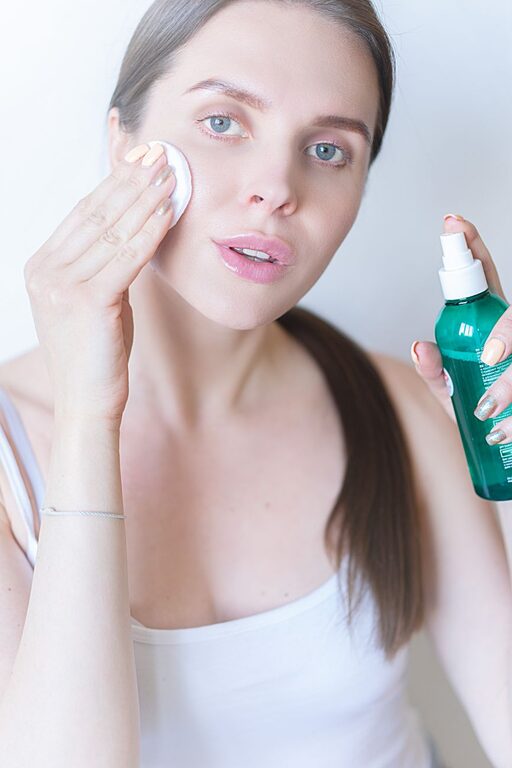
Starting a skincare routine doesn’t have to be complicated or overwhelming. Whether you’re a beginner or looking to simplify your current regimen, a basic skincare routine can help maintain healthy, glowing skin. In this post, we’ll walk through essential steps and tips to help you create a skincare routine that is easy to follow and effective for everyday use.
Why Start a Skincare Routine?
Our skin acts as a barrier that protects us from environmental factors like pollution, UV rays, and bacteria. Taking care of your skin daily helps:
– Remove dirt and impurities
– Keep skin hydrated
– Prevent premature aging
– Reduce the likelihood of breakouts and irritation
By establishing a consistent routine, you can support your skin’s natural functions and improve its overall appearance.
Step 1: Understand Your Skin Type
Before selecting products, it’s important to identify your skin type. Common categories include:
– Normal: Balanced, not too oily or dry
– Oily: Excess oil, shiny appearance, prone to acne
– Dry: Flaky, rough, or tight skin
– Combination: Oily in some areas (usually the T-zone), dry in others
– Sensitive: Easily irritated or prone to redness
Knowing your skin type will help you choose products that suit your needs and avoid irritation.
Step 2: Basic Skincare Routine Steps
A simple skincare routine usually includes three essential steps: cleansing, moisturizing, and sun protection. Here is how to do each:
1. Cleanse
Cleansing helps remove dirt, oil, and makeup from your skin. Use a gentle cleanser suitable for your skin type.
– How to choose:
– Foam or gel cleansers for oily or combination skin
– Cream or lotion-based cleansers for dry or sensitive skin
– Tips:
– Use lukewarm water to avoid stripping natural oils
– Cleanse twice a day—morning and evening
2. Moisturize
Moisturizing hydrates your skin and helps maintain its protective barrier.
– How to choose:
– Lightweight, oil-free moisturizers for oily skin
– Richer creams for dry skin
– Fragrance-free formulas for sensitive skin
– Tips: Apply moisturizer on damp skin to lock in moisture.
3. Protect
Sun protection is crucial to prevent sun damage and premature aging.
– How to choose:
– Broad-spectrum sunscreen with at least SPF 30
– Formulas that suit your skin type (gel, cream, or spray)
– Tips:
– Apply sunscreen every morning, even on cloudy days
– Reapply every two hours if outdoors
Optional Steps for Enhanced Care
Once you are comfortable with the basics, you can consider adding these optional steps based on your skin’s needs:
Exfoliation
Exfoliation removes dead skin cells and helps brighten your complexion.
– Frequency: 1-2 times per week
– Types: Chemical exfoliants (like AHAs or BHAs) or gentle physical scrubs
– Caution: Avoid over-exfoliating as it can irritate your skin
Serums and Treatments
Serums offer concentrated ingredients to address specific concerns such as acne, dullness, or fine lines.
– Examples: Vitamin C serums for brightening, hyaluronic acid for hydration
– Use after cleansing and before moisturizing
Eye Cream
If you have concerns like puffiness or dark circles, an eye cream can provide targeted care.
Tips for Maintaining Your Routine
– Consistency is key: Stick to your morning and evening routine for best results.
– Patch test new products: Test on a small skin area to avoid reactions.
– Keep it simple: Avoid layering too many products at once. Less is often more.
– Stay hydrated and eat well: Skin health starts from within.
– Adjust seasonally: Skin needs can change with weather.
Common Mistakes to Avoid
– Over-cleansing or using harsh soaps
– Skipping moisturizer thinking oily skin doesn’t need it
– Forgetting sunscreen daily
– Changing products too often
– Using expired or inappropriate products
Final Thoughts
Starting a basic skincare routine is an excellent step toward healthier skin and a confidence boost. By understanding your skin type and following simple daily steps—cleansing, moisturizing, and protecting—you can establish a routine that feels effortless and fits your lifestyle. Remember, patience and consistency will bring the best results.
If you’re ever unsure about what products to use or how to address specific skin concerns, consulting with a dermatologist can provide personalized guidance.
Happy skincare!