

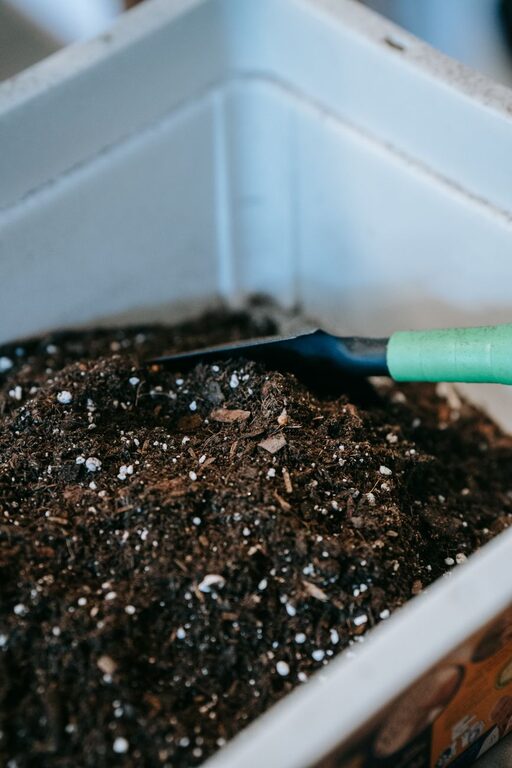
Composting at home is a fantastic way to reduce kitchen waste, help the environment, and create nutrient-rich soil for your garden. For beginners, the idea of composting can feel overwhelming, but it doesn’t have to be complicated. This guide will walk you through simple tips and practical advice to get started with home composting successfully.
Why Compost at Home?
Composting transforms organic waste like fruit peels, vegetable scraps, and yard trimmings into valuable fertilizer. Instead of sending these materials to a landfill where they produce harmful greenhouse gases, composting turns them into a natural resource that supports plant growth and soil health.
Some benefits of composting:
– Reduces household waste
– Lowers methane emissions from landfills
– Enriches garden soil with nutrients
– Improves soil structure and water retention
– Supports beneficial microorganisms
Choosing the Right Composting Method
There are several composting methods suitable for homes, depending on your space, time, and interest level.
1. Traditional Compost Bin
A compost bin is a container that holds your organic waste until it breaks down. You can buy a ready-made bin or build your own from wood or plastic.
Best for: yards with enough space, those willing to turn compost regularly.
2. Composting Tumbler
A tumbler is a sealed container that spins, mixing the materials inside for faster decomposition.
Best for: people who want a tidier, faster compost process and have limited space.
3. Vermicomposting (Worm Composting)
This method uses red worms to break down kitchen scraps in a bin.
Best for: indoor composting, apartments, and gardeners wanting nutrient-rich worm castings.
4. Bokashi Composting
An anaerobic method that ferments food waste using special microbes, typically inside a sealed bucket.
Best for: handling all food scraps including meat and dairy, indoor use.
What Can You Compost?
Not everything should go into your compost pile. Knowing what materials are compostable helps create a healthy, balanced compost.
Greens (Nitrogen-rich materials)
These are moist and high in nitrogen, helping microbes break down the compost quickly.
– Fruit and vegetable scraps
– Coffee grounds and filters
– Grass clippings
– Tea bags (make sure they are compostable)
Browns (Carbon-rich materials)
These provide structure and carbon, which balances the nitrogen content.
– Dry leaves
– Straw or hay
– Shredded newspaper or cardboard
– Sawdust (untreated wood)
Avoid Composting
Certain materials can attract pests, create odors, or introduce pathogens.
– Meat, fish, bones, and dairy
– Oils and greasy foods
– Diseased plants
– Pet waste or litter
– Chemically treated wood or paper
Steps to Start Composting at Home
Step 1: Pick Your Composting Spot
Choose a well-drained, convenient spot outside for your compost bin or tumbler. If indoors, set up your worm bin or Bokashi bucket in a cool, dry place.
Step 2: Prepare Materials
Collect your greens and browns in separate containers to keep a good balance. A 2:1 ratio of browns to greens by volume works well.
Step 3: Build Your Pile
Layer your materials starting with a layer of browns, then add greens on top. Keep adding in layers or mix together to encourage air circulation.
Step 4: Maintain Your Compost
– Turn the pile: Once a week, use a pitchfork or compost aerator to mix and add oxygen.
– Keep it moist: Compost should be as damp as a wrung-out sponge. Add water or dry materials as needed.
– Check temperature: Active compost generates heat. If it’s cold, add more greens or turn more often.
Step 5: Harvest Your Compost
Compost is ready when it looks dark, crumbly, and earthy-smelling. This can take from a few weeks (in tumblers) to several months. Screen it if needed to remove large pieces.
Tips for Success
– Avoid overloading: Small batches are easier to manage.
– Chop materials: Smaller pieces break down faster.
– Use a compost thermometer: Helps monitor the temperature for optimal decomposition.
– Keep pests away: Use enclosed bins or bury scraps in the middle of the pile.
– Be patient: Composting is a natural process and takes time to complete.
Using Your Compost
Once your compost is ready, mix it into your garden soil, use it as mulch around plants, or add it to potted plants. It improves soil fertility and structure, helping your plants thrive.
—
Starting to compost at home is a rewarding practice that benefits both your garden and the environment. By following these beginner tips, you’ll build a healthy compost pile and enjoy the many advantages of recycling your organic waste naturally. Happy composting!